


We support biodiversity on our farm by working on various projects aimed at protecting flora and fauna.
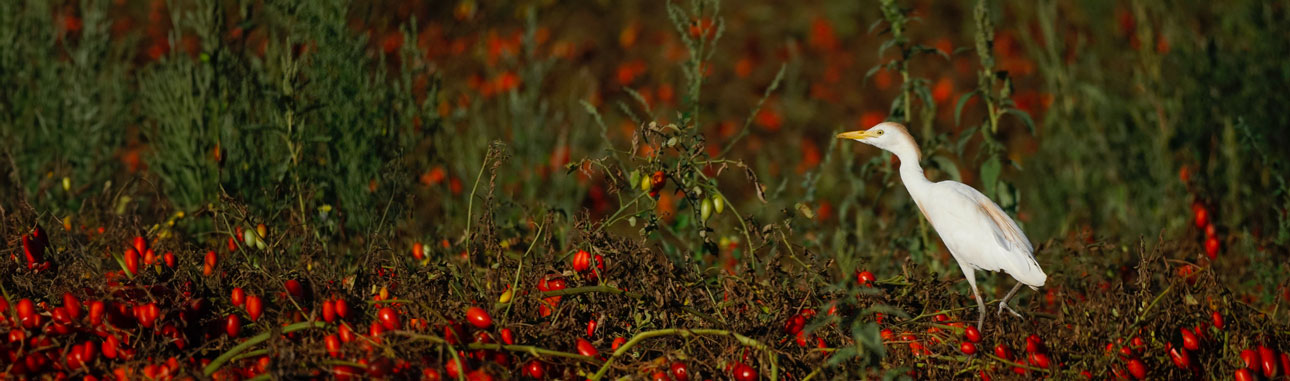
Conservation of landscape and protection of species means for us appreciating and enhancing the vitality and natural resources of our territory. Only a comprehensive protection of biodiversity allows our activity to remain effective and stable.
Flower strips, grassy and wooded areas, projects for the protection of insects and birds are some examples of how we contribute to the conservation of natural balances.
Within the company’s properties, LaSelva has about 80 hectares of Mediterranean scrubland and green spaces. We use these uncultivated surfaces to create new habitats and refuges for various animal and plant species.
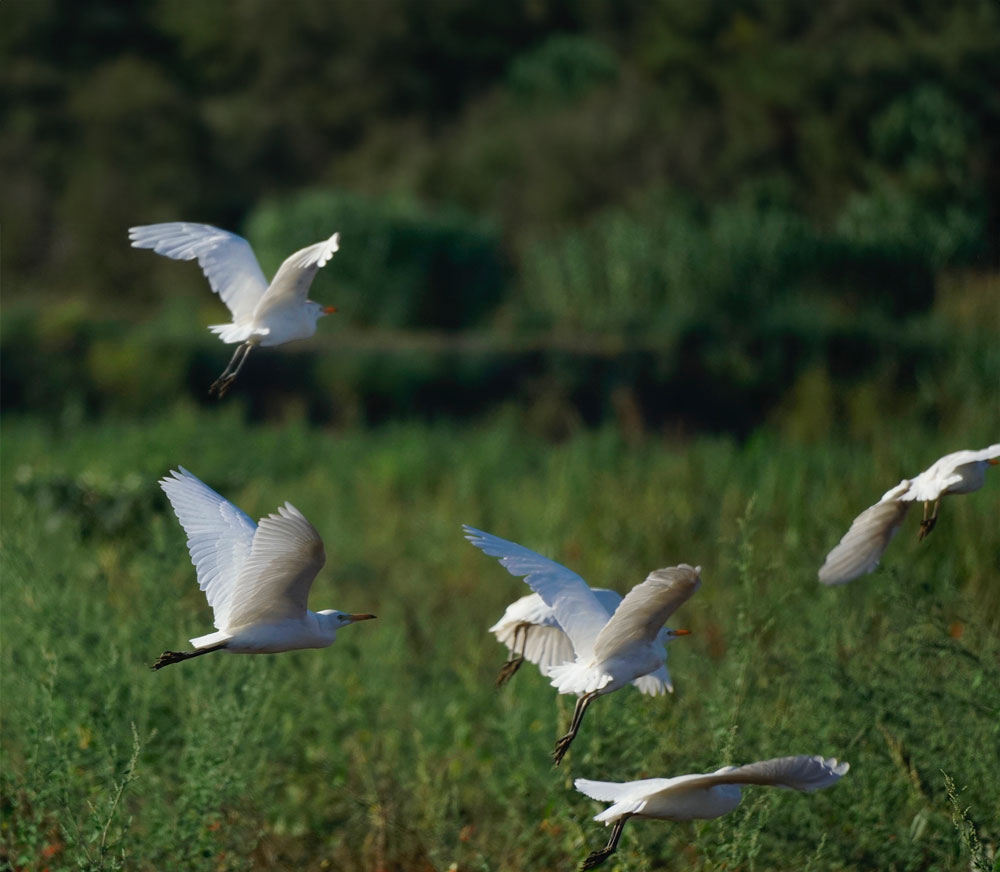
Due to wildfires and deforestation, many trees have disappeared in Maremma over the last centuries. This has led to increased soil erosion and heightened flood risk. To counteract these phenomena and enhance biodiversity, we have planted native trees and shrubs.
Overall, over 7,000 trees have been planted on LaSelva’s property.
This reforestation, done with trees and hedgerows, not only contributes to the reduction of CO2 in the atmosphere but also expands available habitats for various native species.


Approximately 50 swarms of bees currently reside at LaSelva. These little creatures, through their pollination work on the plants’ flowers, ensure good harvests for us.
In addition to bees, other insects play an important role on the farm. Ladybugs, finding refuge in hedgerows, happily consume aphids that feed on crops, thus providing a natural means of pest control.
By refraining from synthetic pesticides, we prevent the destruction of insects, which in turn can serve as a food source for many bird species.


